Mongolia Travel Guide
ABOUT OUR TRIPS
Mongolia is a land like no other, vast, wild, and deeply rooted in tradition. Whether you are seeking a fast-paced off-road adventure or a slower, more relaxed cultural journey, our trips are designed to match your interests and pace. Some tours focus on covering ground and exploring Mongolia’s varied landscapes. Others take their time, immersing you in nomadic life, nature, festivals, and meaningful local encounters.
The following guide explains how Mongolian Ways trips are run and what to expect while traveling here realistically. For specific questions about a particular itinerary, please get in touch with us.
ABOUT MONGOLIA
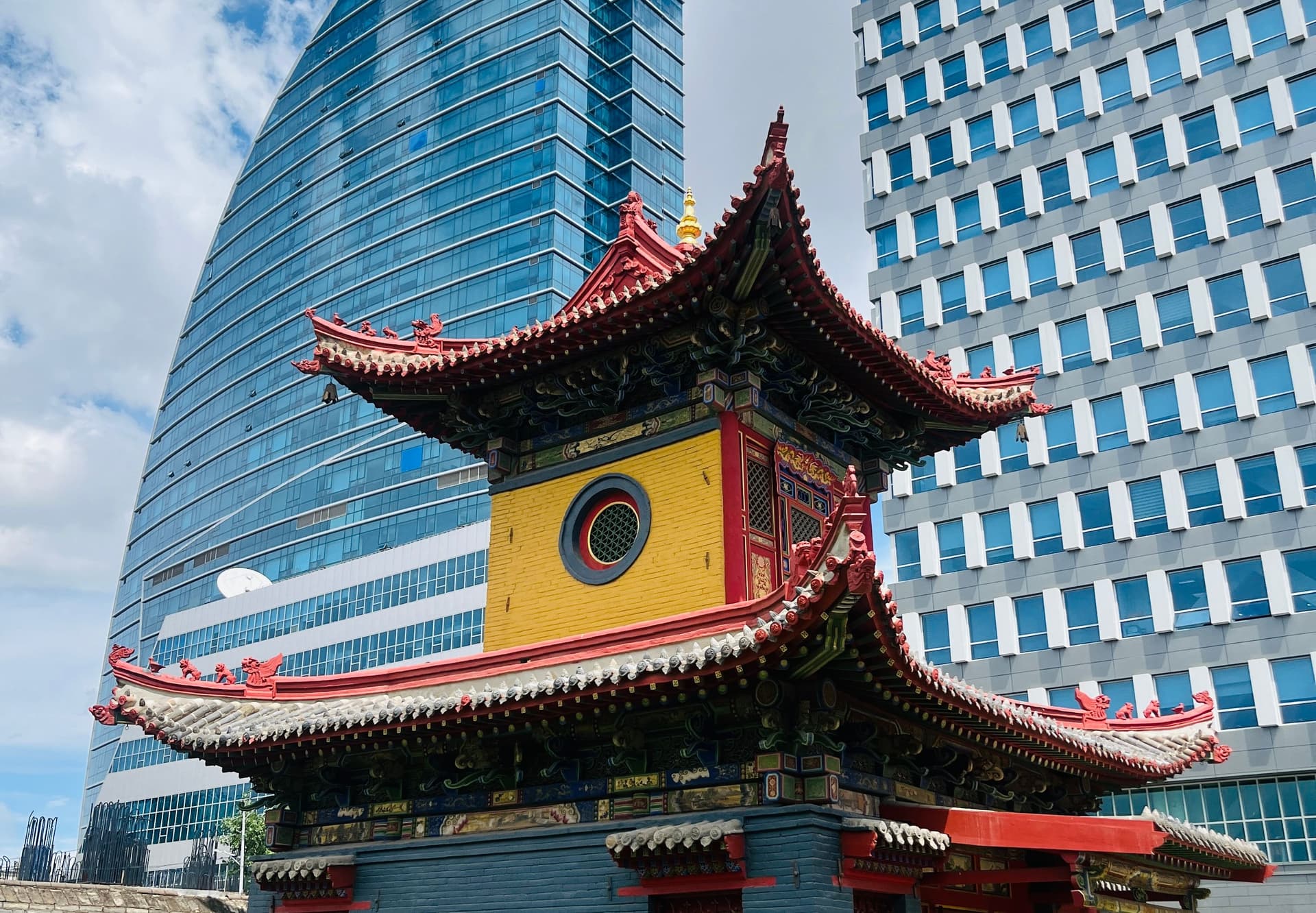
The first-time visitor to Mongolia often feels that there are two different countries under one flag. On the one hand, Ulaanbaatar is the gateway for most visitors to Mongolia. The city is undergoing continuous development, strongly shaped by mining-driven growth following the discovery of some of the largest mineral deposits. On the other hand, the city's infrastructure is based on Soviet-era planning and construction, as is common in other post-Soviet states. Traffic jams are notorious. Despite this, the city has a charm of its own. It is a fusion of old and new, between east and west, and between unsophistication and rapid development.
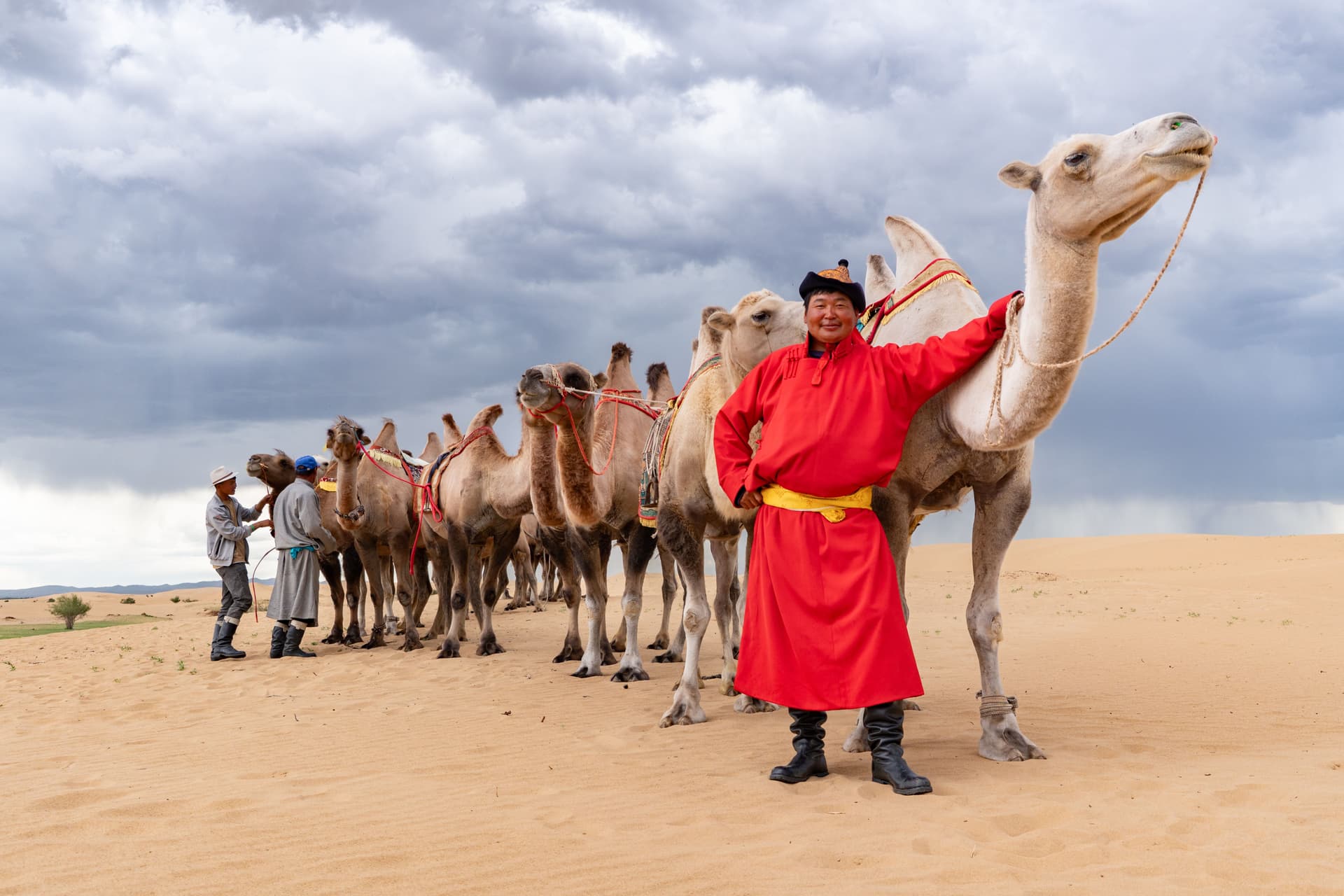
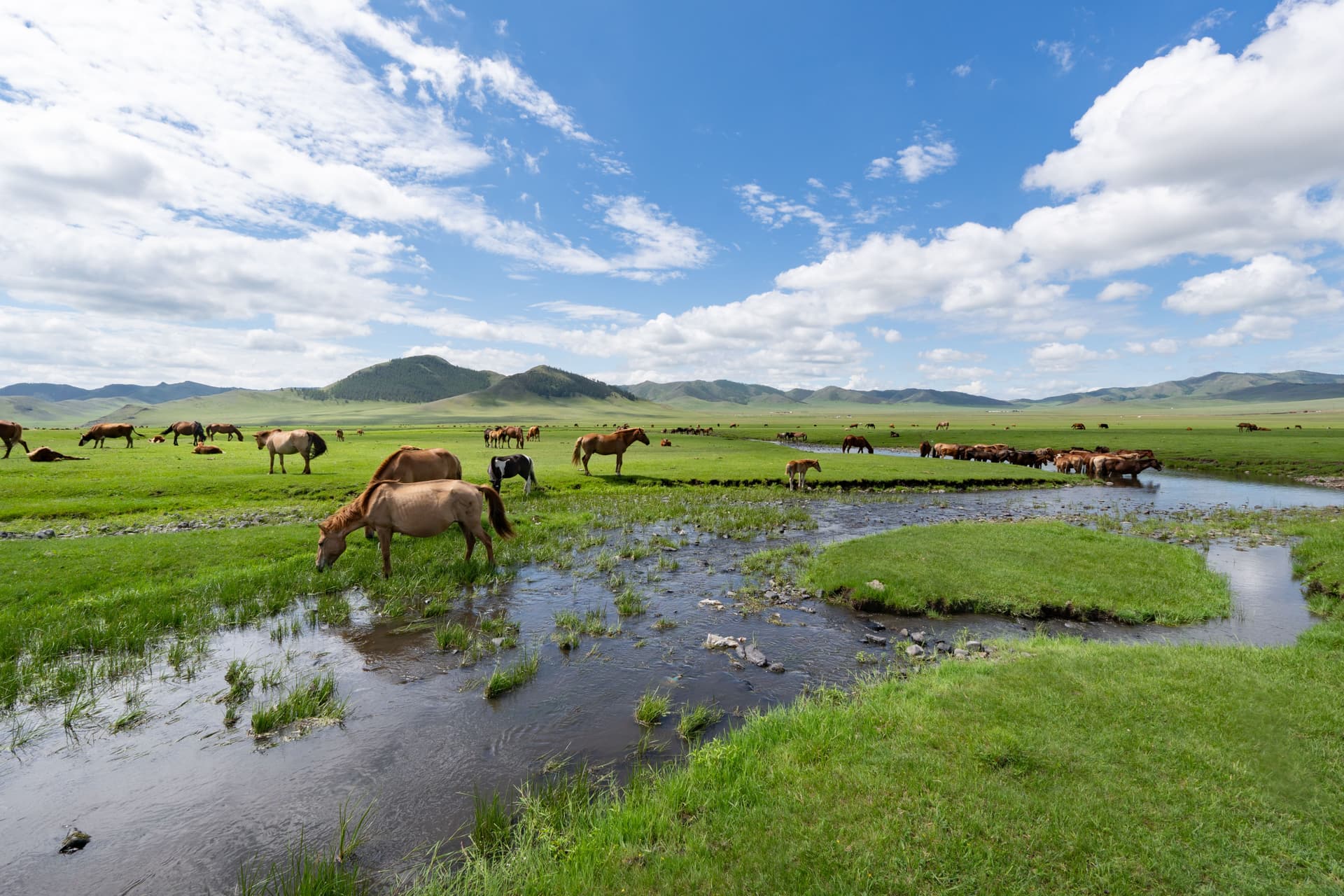
With all that said, driving just a few kilometers beyond the city, the landscape opens into a journey through time, from the boundless steppe where herds of horses and yaks roam, to the nomadic gers that still define rural life, through sacred ovoo cairns and remote monasteries, and onward toward the vast Gobi Desert with its shifting dunes, dinosaur fossils, and stark beauty, all echoing the legacy of Chinggis Khan who once united the tribes of the steppe into a mighty empire. You will see the Mongol nomads living their lives according to old traditions (but with TV sets and motorcycles!) in run-down towns along run-down roads, yet with an ancient, vibrant culture.
IS THIS TRIP RIGHT FOR ME?
What kind of travel experience is Mongolia?
In Mongolia, the journey is the experience.
Travel here is less about ticking off a long list of sights and more about:
- Long drives through vast open landscapes.
- Remote tracks and unspoiled nature.
- Serendipitous stops with local families, herders, or at scenic viewpoints.
We certainly visit important historical and cultural sites, but travelers often remember the scenery, stories, and unexpected moments most vividly. Custom trips are built around your preferences, fitness level, and interests. Some days involve longer drives simply because Mongolia is huge, but we do our best to balance movement and rest.
If you travel with an open heart, a bit of flexibility, and a spirit of discovery, Mongolia will reward you with experiences you will not find anywhere else.
Is travel in Mongolia difficult?
In short: it can be, yes.
- Infrastructure outside the capital is basic.
- Roads can be rough or unpaved.
- Meals are often different from Western cuisine.
- Accommodation standards are simple.
- Service reflects local customs more than international luxury norms.
Mongolians joke that time here has three zones: before noon, afternoon, and tomorrow. Things may not always run exactly on schedule. That is part of the experience.
We prefer to be honest, so you arrive well prepared and, hopefully, return pleasantly surprised. We have welcomed travelers from age 8 to over 80, including those who chose some of our most challenging adventures. If you have traveled in other remote or less developed regions, you will likely recognize the travel style.
We are always happy to talk with you directly. We would rather guide you toward a trip that truly suits you, or tell you frankly if Mongolia is not the right match for what you are looking for.
INSURANCE AND DOCUMENTS
Travel Insurance
Valid travel insurance is mandatory for all travelers. Your policy must cover medical evacuation, including emergency air transport back to your home country.
Carry both printed and digital copies of your insurance certificate, along with your policy number and your insurer’s 24/7 emergency contact details. If anything unexpected happens during your trip, our team and local partners will assist where possible, including helping you communicate with medical staff and your insurance company.
Insurance must:
- Cover medical treatment and emergency evacuation.
- Include air transport back to your home country if necessary.
- Cover adventure activities included in your trip (off-road driving, horse and camel riding, rafting, and other relevant sports)
Please review your policy for exclusions, especially if you have preexisting conditions.
Passports and Visas
This information is accurate as of June 2025. For the most current and reliable updates, please refer to the official website and confirm the details prior to your departure.
- Your passport must be valid for at least 6 months beyond your entry date into Mongolia.
- It should have at least three blank pages.
- Visa requirements depend on your nationality. For example, at the time of writing, U.S. citizens do not need a visa for stays up to 90 days.
- The Mongolian government has temporarily waived visas for citizens of many countries to promote tourism. Check your country here: www.evisa.mn/en
Always check:
- With your nearest Mongolian embassy or consulate, or
- With us, if you would like guidance, and
- With an official government or embassy website for the most current information
All travelers must also complete and sign a trip application form, including a medical record and liability release.
IMPORTANT
Once you clear immigration and begin the drive into Ulaanbaatar, be aware that the city is known for heavy traffic, especially during peak hours. You can use the airport restroom and grab any drinks or snacks before leaving, since the ride can take much longer than expected.
MONEY, COSTS, AND SHOPPING
Local Currency
The currency of Mongolia is the Tugrog (MNT).
Approximate examples:
- 1 USD ≈ 3,595 MNT
- 1 EUR ≈ 4,152 MNT
The most convenient currencies to exchange are USD and EUR. The British Pound and the Chinese Yuan are sometimes accepted for exchange in Ulaanbaatar.
Exchange money at:
- Banks
- Hotels
- Official exchange offices.
Some of these operate 24/7. Credit cards are widely accepted in Ulaanbaatar, but you should always carry some cash for rural areas, small shops, or when card machines do not work.
IMPORTANT
If you bring foreign currency notes (USD or EUR), ensure the bills are new, clean, and free from marks or tears. For US dollars, bills issued before 2006 are often not accepted due to counterfeiting concerns. Larger denominations, such as USD 100 or EUR 100, are generally easier to exchange and yield better rates.
Personal Expenses
Before your trip, please review your proposal carefully to understand what is included in your package and what is not. If you're not sure, please get in touch with us.
Your trip price typically includes accommodation, meals, entrance fees, and scheduled activities. Personal expenses such as souvenirs, extra drinks, snacks, laundry, and phone calls are your responsibility.
We recommend carrying around $100 USD (or equivalent) for such expenses. If you plan to buy many souvenirs or enjoy drinks regularly, the budget is around $150 USD.
It’s easier to exchange money in Ulaanbaatar than in rural areas, so plan to exchange currency before leaving the city. If you have leftover Tugrog/MNT at the end of your trip, you can exchange it back at Chinggis Khan International Airport before departure.
Tipping
Tipping is not mandatory, but it's common and appreciated. We pay all service providers fairly, but tips are a good way to show gratitude for good service.
Typical amounts (per group, not per person) are:
- Guide: USD 20 per day.
- Driver or head cook: USD 15 per day.
- Assistants: USD 5 per day.
You are, of course, free to tip more or less, depending on your satisfaction and local norms when you travel.
Shopping
Most goods in Mongolia are imported and can be relatively expensive. Good value is often found in:
- Mongolian cashmere
- Traditional handicrafts
- Artwork (paintings, embroidery, felt crafts)
IMPORTANT
Exporting antiques is strictly regulated. Your luggage may be checked at the airport. To export legally purchased antiques, you must have a stamped document from the seller authorizing export.
CONNECTIVITY, PHONES, AND ELECTRICITY
Internet Access
- In Ulaanbaatar, internet access is good and widely available.
- Most hotels, cafes, and many public spaces offer free Wi-Fi.
Outside the capital, the best way to stay connected is via your mobile phone.
Will My Phone Work?
Mobile coverage is good in Ulaanbaatar and major towns, with widespread 4G and limited 5G mainly in the capital. Coverage drops quickly outside urban areas. Another increasingly popular option is the E-Sim (Electronic Sim). If your phone supports it (most modern smartphones do), you can purchase and install the virtual Sim before departure, so your phone connects automatically upon landing.
Note: If using a local Sim or E-Sim, your home-country number will be inactive, but WhatsApp and similar apps remain functional as long as account settings aren’t changed.
Most modern smartphones work in Mongolia. If you use a local physical SIM card and your phone has only one SIM slot:
- Your regular number will not be active for calls and SMS while the Mongolian SIM is in use.
- Apps like WhatsApp, Signal, and other internet-based services will still use your regular number as long as you have data or Wi-Fi.
Electricity Supply
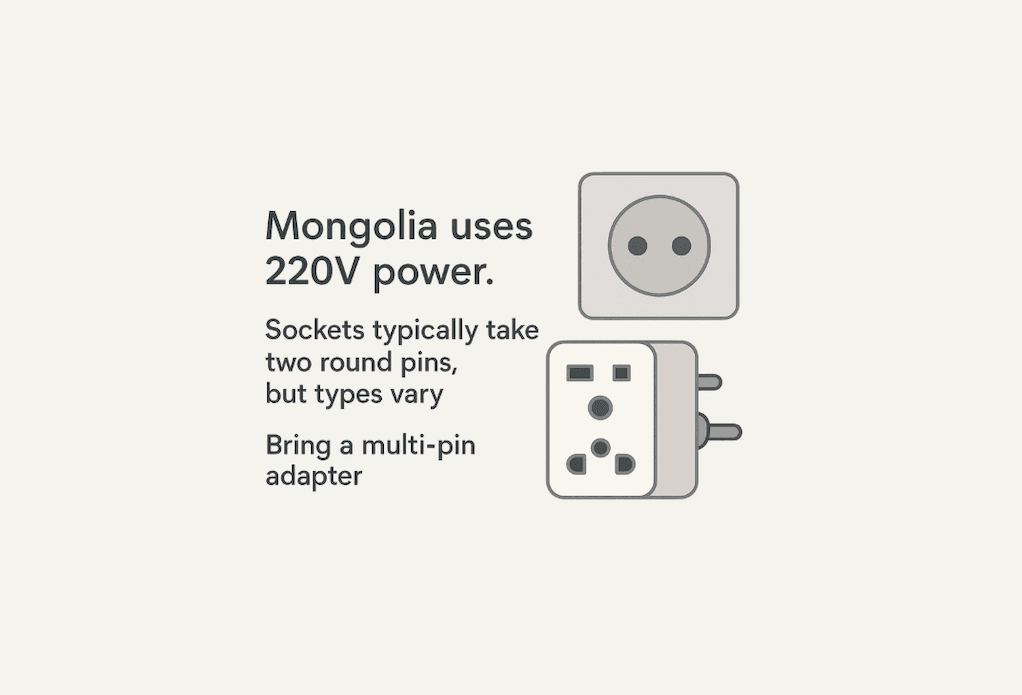
- Mongolia uses 220V power.
- Sockets typically take two round pins, but types vary
- Bring a multi-pin adapter
In rural areas, electricity can be unstable:
- Power cuts can happen
- Voltage can fluctuate
- Charging opportunities may be limited
We recommend bringing:
- Enough batteries for 2–3 days without charging
- A slim portable power bank for your phone
SAFETY AND HEALTH
Is It Safe to Travel in Mongolia?
Mongolia is generally considered one of the world's safer countries. The country’s transition from socialism to a market economy was peaceful and relatively smooth.
In cities and towns:
- At night, we recommend taking a taxi unless you are staying in central Ulaanbaatar, as public drunkenness is common.
- Be cautious in crowded places like the Black Market, the city center (around the State Department Store, and within the State Department Store), or Naadam festival grounds, where pickpocketing can occur. Avoid carrying unnecessary valuables and use a money belt or a secure zipped pocket for your cash and documents.
Adventure Travel Risks
Adventure travel involves some risks. Remote areas can pose challenges, including harsh natural conditions, poorly maintained roads, uneven trails, and low standards of basic accommodation. Vehicles may break down due to the demanding terrain.
Medical facilities in remote locations can be limited, and evacuation may take time. Travelers might overexert themselves or face unexpected weather conditions. Adventure travel offers access to Mongolia’s spectacular natural, cultural, and historical wonders, but requires careful preparation and respect for the challenges it presents.
Personal Safety and Security Tips
- Carry money, passport, tickets, and insurance documents in a well-hidden money belt or pouch.
- Whenever possible, leave valuables in the hotel safe or locked in the vehicle with our drivers (and tell them clearly you have done so)
- Make two copies of essential documents (passport, ticket, insurance):
- One copy with you, separate from the originals.
- One copy left with a trusted person at home.
- Consider scanning documents and emailing them to yourself for easy access.
Vaccines and Medications
We are not authorized to provide medical advice. Please consult your doctor before your trip about vaccinations or precautions.
If you take regular medication, bring enough for the entire trip, as some medicines are hard to find outside of your country. Always carry medications in your hand luggage, not checked baggage.
Medical record and liability release: All travelers must complete and sign a trip application form, which includes these documents.
SEASONS AND WEATHER IN MONGOLIA
When is the best time to visit Mongolia?
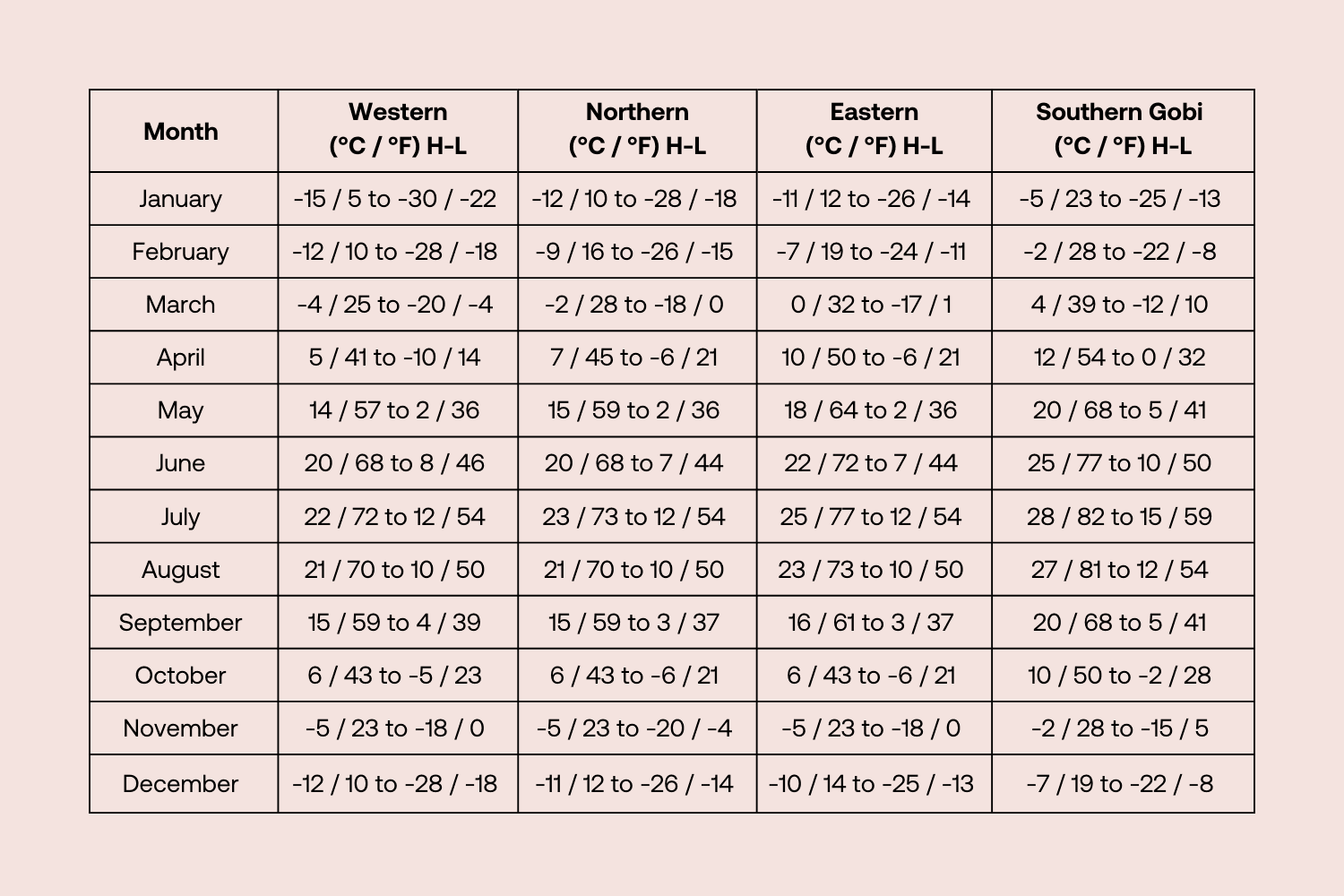
The main travel season runs from mid-May to late September.
- Late May to July brings lush green meadows and nomads on the move with yak and camel caravans.
- August to September offers stunning autumn colors and another round of nomadic migrations.
- Winter (October–March) is bitterly cold but incredibly beautiful, with temperatures often below -30°C (-22°F). During this season, you can experience Mongolia’s Lunar New Year and three unique festivals: the Golden Eagle Festival, the Ice Festival at Lake Khuvsgul, and the Thousand Camels Festival in the Gobi. Winter travel requires effort, but the rewards are exceptional.
- Spring (March–early May) is not ideal: the combination of low temperatures, yellowed grasslands, and intense sandstorms makes this a challenging time to visit.
Mongolia has a dry, continental climate with big temperature swings between day and night and between seasons.
- Summer (June–August)
Warm days and cool nights. Little humidity. Rain is usually light and brief.
- Autumn (September–early October)
Comfortable days, colder mornings and nights, and spectacular autumn colors.
- Winter (November–March)
Very cold, very dry, and very beautiful. Snow stays on the ground for months.
With the proper clothing, it is a winter wonderland.
- Spring (March–May)
The most unpredictable season, with strong winds and occasional sandstorms. We generally do not recommend spring for travel if you have flexible dates.
ACCOMMODATION: WHERE WILL I SPEND THE NIGHT?
Hotels in Ulaanbaatar
Ulaanbaatar offers a wide range of hotels, from 5-star international brands to simple guesthouses. We usually accommodate our travelers in cozy 4-star hotels that balance comfort, quality, and value. They are typically located in the city center, so you can:
- Walk to many main attractions
- Avoid spending too much time in traffic
If you prefer a more luxurious hotel, please let us know, and we can arrange an upgrade.
Local Hotels in Provincial Capitals
When spending a night in a provincial administrative center (Aimag, “provincial capital”), we typically stay in simple local hotels.
- Built mainly for local businesspeople and traders.
- Often basic in terms of design and service.
- Usually offer ensuite facilities (toilet and shower in the room).
While they are not luxury properties, they can feel like an upgrade compared to standard ger camps, where bathroom facilities are often in a separate building.
Ger Camps
Outside Ulaanbaatar, ger camps are the most common type of accommodation.
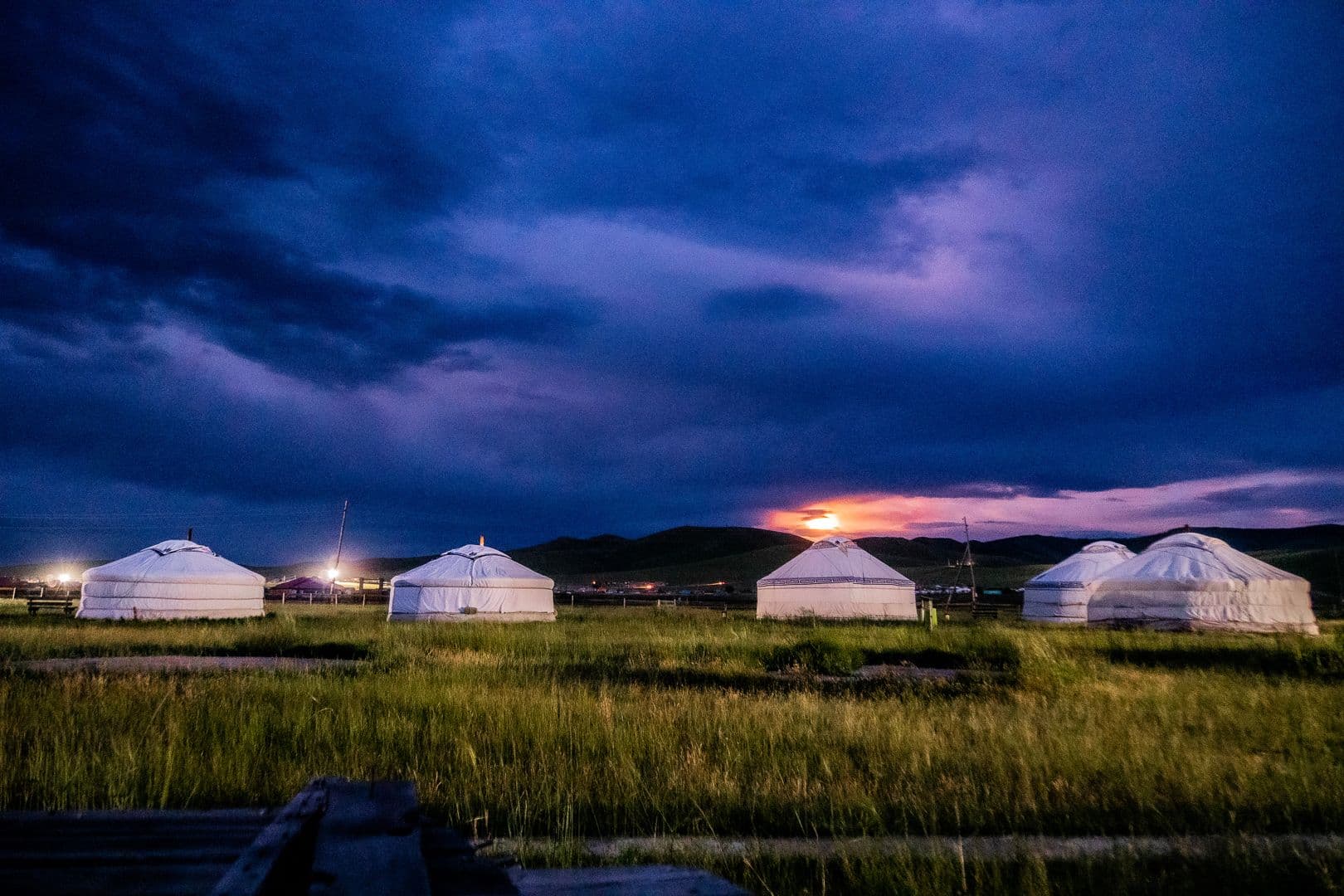
- Guest rooms are traditional Mongolian gers (felt-covered tents).
- Each ger usually has 2–4 single beds, a traditional stove, a simple table, and sometimes cupboards or a washstand.
- We typically plan two travelers per ger.
- Those who pay a single supplement get a private ger whenever possible.
- If you prefer more than two people in one ger (for example, a family), we will do our best to arrange this.
Facilities in ger camps:
- A separate central block with hot water showers, sinks, and western-style toilets (usually a short walk from your ger).
- A restaurant or dining room, sometimes with a small bar or recreation room.
- A generator or solar batteries usually provide electricity for a few hours.
Important to know
- Electrical systems are simple and not always the most reliable. Sometimes a ger will have no electricity.
- Hot water systems can fail or become overloaded, especially when many guests are showering at once.
- Traditional wood or coal stoves burn out after one or two hours. Nights can be cold, so pack layers or ask for extra blankets. We suggest bringing a hot water bottle/bag.
In recent years, some camps have started offering “Lux” or “Deluxe”gers with en-suite toilets and showers. These come at an extra cost and are not available everywhere. If you are interested in upgrading to these wherever possible, please let us know.
Camping
Mongolia offers fantastic camping experiences amid beautiful landscapes. Often, the places we visit will have no ger camps or local hotels. Instead, we provide our guests with high-quality tents on all our camping trips. On treks or horseback-riding trips where equipment must be carried by pack animals or boats, the camps will be expedition-style. No formal toilet or shower facilities will be available. In true Mongolian countryside fashion, you’ll use a simple outdoor toilet, and we’ll provide water for washing up. Please note that you will need to bring your own sleeping bag and mattress if camping is included in your trip. Over the years, we have received mixed feedback on sleeping mattresses and sleeping bags. Some like them thin, some thick. Some like them warm, some prefer them lighter. For this reason, we refrain from providing these.
Homestays
On some of our trips, especially in western Mongolia, where infrastructure is nonexistent, we resort to family stays. We always try to rent a ger for the exclusive use of our travelers, but this is not always possible; in that case, you would need to share the ger with the hosting families. On such occasions, we would make sure you have the best available mattress, or, preferably, a bed, and a set of clean linens that our staff will bring.
How We Choose Accommodation
Choosing the right accommodation in Mongolia is a careful balancing act. We consider:
- Location and accessibility to key attractions.
- Quality of gers, food, and facilities (toilets, showers, etc.)
- Booking reliability is critical in remote areas with limited availability.
- Long-standing partnerships with camp operators help ensure your booking is honored, even in the busiest seasons.
It’s rare to find a camp that excels in everything; one may have great gers but average meals, or fine food but more rustic showers. Rest assured, we continually review and revisit camps to select the best overall experience available.
FOOD AND WATER
What Will I Eat?
Your meals depend on the type of trip and location.
In Ulaanbaatar
- Wide range of restaurants serving both Mongolian and international food
- Good options for vegetarians and special diets, especially if arranged in advance
In Ger Camps
- Breakfast and dinner are usually served in the camp restaurant
- Lunch is often picnic style during excursions, when there is no restaurant nearby
- Food is generally substantial, mixing local dishes with simple international meals
On Camping or Expedition Trips
- Meals are prepared by accompanying staff, your guide, or your drivers
- Food is basic but filling
- Fresh produce becomes limited after several days in remote areas
- You are welcome to help with camp chores or cooking. Your help will be appreciated
Please let us know in advance about dietary restrictions, allergies, or preferences. We will do our best to accommodate you within the limits of local supply and infrastructure. Cooking your own meals in ger camps is generally not allowed.
Can I Eat Local Food?
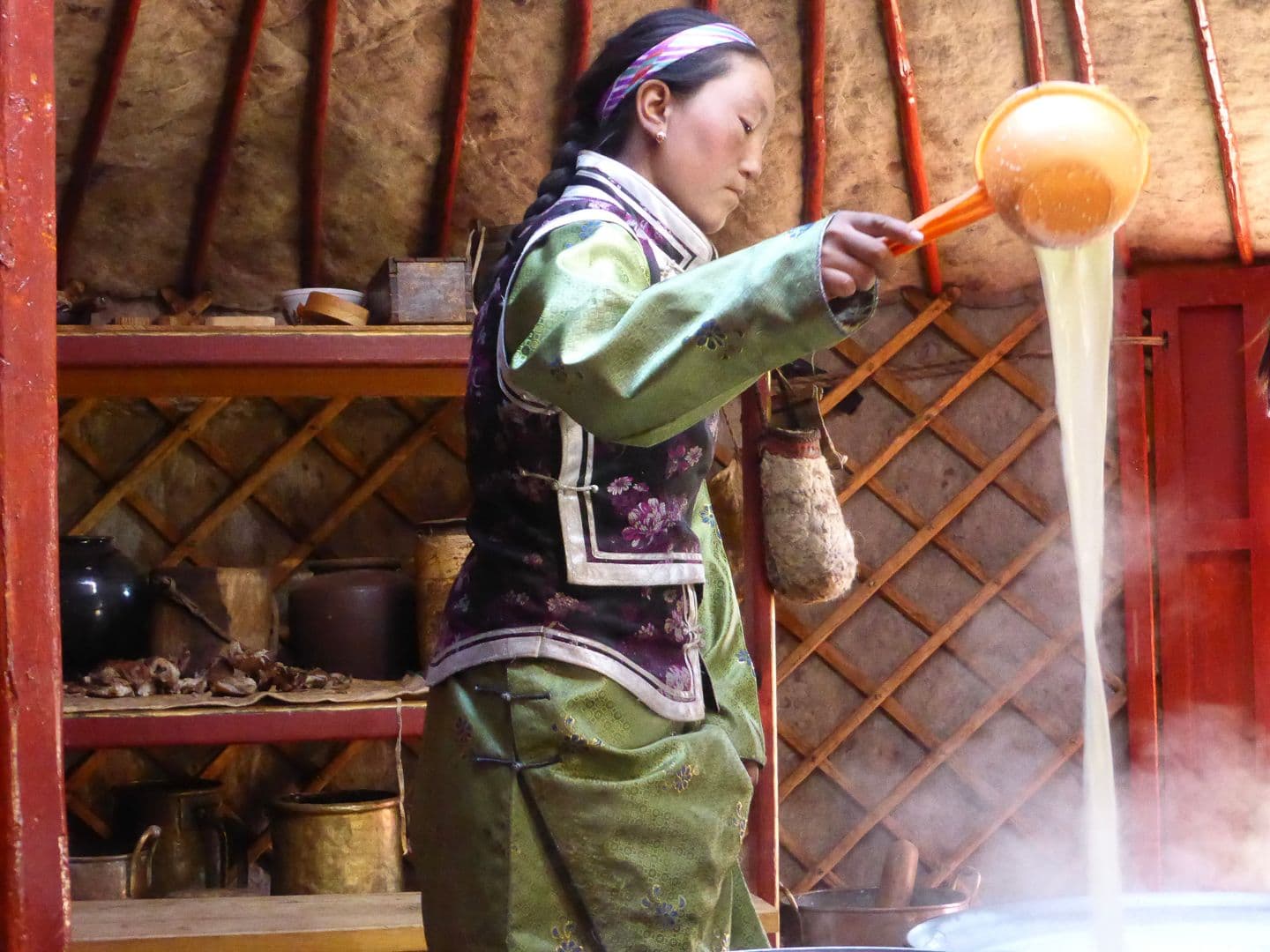
Yes, many travelers enjoy it, but be prepared for simple, meat-and-dairy-heavy cuisine, especially outside the capital.
Typical elements include:
- Meat (mainly mutton, beef, and goat) is usually well-cooked and fairly fatty.
- Dairy products (yogurt, curds, milk tea, cheese) are especially popular in summer.
- Flour-based dishes like dumplings (buuz), noodles (tsuivan), and fried dough.
In Ulaanbaatar, you will find more international restaurants and cafes with a wider variety of cuisines. In rural areas and ger camps, food is nutritious but repetitive and designed to provide energy for life in a harsh climate. Most visitors notice some digestive changes, more often mild constipation than diarrhea, due to the low fiber content of the diet.
If you have specific concerns about food, please talk to your guide. They can often help adapt meals slightly or explain ingredients.
Can I Drink The Water?
We will provide bottled or purified drinking water throughout your trip.
We recommend:
- Do not drink tap water in Ulaanbaatar, as many areas have old water pipes.
- Do not drink from streams, lakes, or rivers in the countryside; livestock grazing nearby can contaminate water with feces.
Use the water we provide for drinking and brushing teeth.
GUIDES, VEHICLES, DRIVERS, AND ROADS
Who Will Be My Local Guide?
Due to Mongolia’s short travel season, guiding is rarely a full-time profession. Some of our guides are university students or recent graduates who join us for a few summers before pursuing longer-term careers. What our guides may lack in years of experience, they make up for in genuine hospitality. You’ll often find your guide to be incredibly attentive, warm, and eager to make your trip a success.
We select only the most capable trainees out of 150+ yearly applicants; only 5–6 complete our guide training. All new guides begin as apprentices, accompanying senior guides on two or more trips before leading one themselves.
If your guide is still gaining experience, your understanding and encouragement can make a significant impact. We are proud of our team, and we stand behind every guide we assign to our guests.
What Kind of Vehicles Will We Use?
NOTE
Mongolia is nearly the size of Western Europe but has just over 10,000 km (6,200 miles) of paved roads. Most routes outside Ulaanbaatar are unpaved dirt tracks. It is dusty, rocky, or muddy depending on the season. Reliable, rugged vehicles are essential.
Standard vehicles
- Typically Japanese or Korean-made (often second-hand imports).
- Well-maintained and checked before each trip.
- Assigned based on group size and terrain.
Because of the harsh conditions and short season, vehicles are rarely brand-new, but they are selected for their reliability. Mechanical issues can still occur on remote tracks. When they do, drivers typically repair the vehicle on the spot. In rare cases, a replacement vehicle may be needed, which can take several hours to a couple of days, depending on where you are. We have never had to cancel a trip because of a vehicle breakdown.
Vehicles for remote areas
In Mongolia’s wildest regions, we rely on Russian-made UAZ vans:
- Powerful off-road capability.
- Simple mechanics, easier to repair, far from the capital.
- Bench seating and a bumpy ride, motion sickness medication is recommended if you are sensitive.
We choose these vehicles not for comfort, but for safety, practicality, and reliability in places where help is far away.
Who Are Our Drivers?
Our drivers are the owners of the vehicles and are:
- Excellent mechanics and problem solvers.
- Skilled navigators with many years of experience on Mongolia’s tracks.
- Often part of our team for many seasons (some for nearly two decades).
During peak season, we also recruit additional drivers who meet our standards.
Most drivers do not speak foreign languages, but they:
- Have strong interpersonal intuition.
- Know when to stop for photos, toilet breaks, or a stretch.
- Do their best to look after travelers’ comfort and safety.
Each convoy of vehicles is led by a head driver familiar with the route. He oversees the other drivers and ensures they align with our company’s spirit and strict code of conduct.
The Roads of Mongolia
Mongolia covers a vast 1.65 million square kilometers (approximately 637,000 square miles). Around the year 2000, there were only two asphalt roads - one approximately 300 km (186 miles) leading to the Russian border, and another of about 370 km (230 miles) to Kharkhorin, the ancient Mongol capital. These roads were poorly maintained, often riddled with potholes. Since then, efforts have been made to expand and improve Mongolia’s road network, but the harsh climate, extreme temperature swings, freeze-thaw cycles, and heavy use mean even new asphalt roads often begin to degrade after just 2-3 years.
SPECIAL TYPES OF TRIPS
Treks, Mountain Biking, and Riding Trips
On trips that focus on trekking, mountain biking, horse or camel riding, you will spend multiple days in remote areas with nights in tents.
We provide:
- Camping gear (tents, cooking equipment, eating utensils)
- Pack animals (yaks, horses, or camels) to carry luggage
You are responsible for bringing:
- Sleeping bag and mat
- Safety equipment (riding helmet)
- Any specialty riding gear (boots, saddle padding, etc.)
During the day:
- You carry only essentials (water, waterproof clothing, camera, personal items)
- Support staff usually maintain a roughly 1:1 ratio of staff to travelers
- Breakfast and dinner are served in the camp
- Packed lunches are prepared daily
Daily distances are planned according to terrain, path quality, and our experience with previous groups, but we remain flexible to adjust for weather and the group’s abilities.
We strongly recommend:
- Waterproof clothing (including pants, gaiters, and footwear)
- A complete set of dry clothes in a sealed waterproof bag
- Packing your main luggage inside large plastic bags for protection from moisture
- A spare pair of sturdy hiking shoes – even top-quality Gore-Tex boots can fail in wet or swampy ground
Traveling in Winter
Winter transforms Mongolia into a crisp, snow-covered landscape under bright blue skies. It can be magical, but it is also challenging:
- Most rural hotels and ger camps close for the winter
- Winter trips often rely on winter camping, family stays in gers or houses, and a few open facilities
- Temperatures drop well below freezing; wind chill makes it feel even colder
Proper equipment is essential. Please discuss clothing and gear with us before you buy or start packing.
Key tips:
- Use breathable base layers that wick moisture away from your skin.
- Add insulating fleece or wool layers.
- Finish with windproof and waterproof outer layers.
- Bring a warm hat, scarf, and good gloves or mittens.
- Jeans are a poor choice in winter; they absorb moisture and dry very slowly.
Mongolia enjoys more than 250 days of sunshine per year, but winter winds can be harsh. With the proper clothing, winter travel can be one of the most rewarding ways to experience the country.
PHOTOS AND VIDEOS
Mongolians often enjoy being photographed, but it is polite to ask permission first, especially when photographing individuals.
Tips:
- Many people appreciate receiving copies of their photos. Bringing small white labels or stickers so they can write down contact details is helpful.
- Please don't take photos in markets without asking. Some vendors are sensitive about cameras.
- If you use film cameras, bring enough film; supplies are limited.
- Polarizing filters and spare batteries are helpful when dealing with the bright, high-altitude sun.
Digital camera batteries can usually be charged at ger camps when electricity is available. Some museums and sites may charge a small fee for photography or video.
PACKING AND EQUIPMENT
Our packing list is based on experience traveling across Mongolia. Every traveler is different, so treat this as a guide, not a strict rule. If you have any questions, please feel free to contact us.
General Clothing and Gear
- Backpack or soft bag (foldable if possible)
- 2–3 cotton or technical T-shirts
- Two long-sleeved shirts:
- One lightweight, fast-drying, ideally button front for sun protection
- One medium weight for cooler evenings
- A sun hat that covers the ears and neck
- Two pairs of lightweight trousers (zip-off legs that convert to shorts are ideal)
- Shorts (fast drying)
- Underwear (fast drying)
- Sports bras with good support (for women)
- Socks made from breathable, moisture-wicking material
- Casual clothes for city days and travel
- Extra foldable bag to leave surplus items in Ulaanbaatar if needed
- Fleece jacket or warm sweater; a wind-resistant fleece is ideal in spring and autumn
- Waterproof shell or rain jacket with hood (ponchos are practical for horse treks)
- Woolen hat and gloves for cold evenings
Footwear:
- Walking shoes with sturdy soles and good support
- Sandals for camp, showers, and wading in streams (with ankle straps that stay on)
Other essentials:
- Swimsuit for lakes, rivers, or hot springs
- Sunglasses with good UV protection
- Spare glasses or contact lenses in a sturdy case
- Toiletries
- Headlamp (hands-free) or flashlight
- Spare batteries and/or a slim power bank
- Binoculars and a camera in a padded case
- Personal medications: We carry First Aid kits, but Mongolian law does not allow us to dispense medicines. Bring what you commonly need (for headaches, stomach upset, diarrhea, colds, allergies, etc.) and enough prescription medication for the whole trip.
- Cables and adapters for charging electronic devices; if you have 12V car chargers, bring them
- A money belt or a flat pouch worn under clothing
- Sunscreen (SPF 20 or higher; higher if you are light-skinned) plus a stick or lip balm for nose, lips, ears, and cheeks
- Insect repellent. Use products that are less harmful to aquatic life, and wash them away from lakes and rivers.
Extra Gear for Camping Nights
- Sleeping bag:
- Summer: rated to around –5°C
- Spring/autumn: –15°C to –20°C
- Winter: up to –40°C
- A mattress, preferably an inflatable one, to isolate you from the ground and provide extra comfort.
- Long underwear (synthetic moisture-wicking)
- Warm hat (wool or fleece, covering the ears)
- Gloves: light ones for trekking or riding, warmer ones for cold seasons
- Waterproof bag covers for backpacks and daypacks
- Resealable (Ziploc) bags to protect documents, money, electronics, and to store wet clothes until they can be dried
- Compact, fast-drying travel towel
Extra Gear for Multi-Day Treks/Hikes
- Hiking boots (for treks): waterproof and breathable, with Gore-Tex boots being the best for the Eight Lakes Trek, Kharkhiraa, and other Altai treks. These are permafrost areas, and water is trapped at the surface, so it will be difficult to avoid some wet ground. We recommend bringing an extra pair of shoes in case your boots get wet.
- Waterproof pants: should fit over your other pants and, from May through September, be lined or have a very light, breathable lining.
- Leggings/Gators: to prevent water from seeping up through the top of your boots.
- Extra set of clothing: sealed in a nylon bag, to be carried during hiking days.
- Hiking sticks/poles
Extra Gear for Winter Trips
- Winter coat or parka
- Winter underwear and top
- Scarf or ski mask
- Warm hat: wool or fleece, which can cover your ears and cheeks
- Winter boots or Baffin: can be worn for horse riding
- Winter gloves, hand warmer
- Sunglasses: Polarized ones against the snow
It is a good idea to try on clothing at home to ensure that what you bring is sized for comfortable layering. The weather in Mongolia is unpredictable, and layering your clothes for warmth is a practical alternative to packing bulky items you may never wear.
CULTURE, CUSTOMS, AND ETIQUETTE
Ethics And Customs In Mongolia
Mongolia is rich in ancient traditions, some of which trace back to the Great Yassa, the law code of Chinggis Khan. Many customs developed from the practical needs of nomadic life:
- Respect for weather and nature
- The importance of Gers as homes
- Strong family and social hierarchies
- Deep reliance on livestock
Key principles:
- Show honor and respect to locals, your hosts, and yourself.
- You are a guest in someone’s home and country.
- Avoid loud conversations, jokes, or laughter in your own language. That might make people feel you are talking about them.
- Please approach local customs without judgment, and you will usually receive respect in return.
NOTE
Mongolians value their customs highly. Even young city dwellers follow many traditional rules. At the same time, they are usually tolerant and understanding toward foreigners who may not be familiar with all the customs.
Basic Etiquette
- A simple, friendly greeting is often enough: a nod, a smile, and “Sain bain uu?” (“Are you well?”). The polite answer is “Sain” (“Well”).
- “Bayarlalaa” (“Thank you”) is always appreciated.
- Use both hands, or at least your right hand, when giving or receiving things.
- In formal situations, offer or receive food, tea, or vodka with your right hand while your left hand supports your right elbow.
- When handed a snuff bottle, accept it with your right hand, palm open; take a sniff or small pinch, then hand it back. Do not screw the cap down before passing it on.
- You can roll down your sleeves before giving or receiving items or greeting elders.
- Always offer the handle, not the blade, when passing knives or scissors.
- Do not refuse tea, food, or dairy outright; taste a little, then quietly set it aside if you do not want more.
- Please don't throw objects at someone. Please hand them over politely.
- Do not put feet or shoes on tables or chairs, and avoid pointing the soles of your feet toward others.
- Never relieve yourself near rivers, water sources, fires, roads, or in front of vehicles; these places can be considered sacred or inappropriate.
Do’s and Don’ts in a Ger
- Please do not get out of the vehicle or approach a ger until your guide or the owners confirm it is safe. Guard dogs are common and can be aggressive.
- Do not try to pet herders’ dogs; they are working animals, not pets.
- Knocking is not necessary. Locals often call out “Nohoi khorio!” (“Hold the dog!”) and enter. As a visitor, it is polite to call out first so the family can prepare.
- When you enter, please don't step on the threshold.
- Do not walk between the two central roof supports or pass things between them.
- Do not lean on the central poles, the walls, or furniture.
- Sitting on beds is acceptable; beds often double as seating.
- Do not whistle inside a ger or any building.
- Please don't throw rubbish into the stove. The fire is considered sacred. Place burnable items in the fuel bin or the metal pan in front of the furnace. They will be used as fuel later.
Presents and Gifts
Many travelers wonder what gifts are appropriate to bring for nomadic hosts. Bringing thoughtful gifts can help break the ice and foster cultural exchange. Remember, just as you are curious about their lives, they are interested in learning about yours.
Gift ideas for children:
- Balloons, kites, coloring books, and colored pencils.
- Simple English study books (ideally with Cyrillic script).
- Games you can play together.
Gift ideas for adults:
- Practical items such as lighters, flashlights (mainly rechargeable or hand-crank types), and hand cream (available in Ulaanbaatar shops).
- Used paper can be used as fire fuel; ask your guide to present it correctly so it’s not mistaken for waste.
- Reading glasses (available inexpensively in Western pharmacies) can be life-changing for elders who struggle to see.
- Simple sunglasses are also appreciated.
Other thoughtful gifts:
- A world map or an inflatable beach ball printed with one is excellent for children and a way to show your home location.
- Photos of your home, family, and daily life to start conversations and share stories.
RECOMMENDED BOOKS AND MOVIES
Books
- Secret History of the Mongols by Paul Kahn (2005)
- Across Mongolian Plains by Roy Chapman Andrews (2014)
- On the Trail of Ancient Man by Roy Chapman Andrews (2018)
- Genghis Khan and the Making of the Modern World by Jack Weatherford (2005)
- The Secret History of the Mongol Queens by Jack Waterford (2011)
- The Green Eyed Lama Oyungerel Tsedevdamba and Jeffery Falt (2018)
- The Blue Sky by Galsn Tschinag (2007)
- Modern Mongolia: From Khans to Commissars to Capitalists by Morris Rossabi (2005)
- Modern Mongolia: Reclaiming Genghis Khan by Paula L.W. Sabloff (2001)
- The Blue Wolf by Frederic Dion (2003)
- When I’m Gone, Look for Me in the East by Ilidan - Fiction by a Mongolian author, blending contemporary life with rural and spiritual elements. (2022)
Movies
- The Cave of the Yellow Dog, Byambasuren Davaa (Director), 2005
- Mongol: The Rise of Genghis Khan Sergei Bodrov (Director) 2007
- The Story of the Weeping Camel, Byambasuren Davaa, Luigi Falorni (Directors), 2005
- The Eagle Huntress Otto Bell (Director) 2016
- City of Wind (2023), directed by Lkhagvadulam Purev-Ochir
- The Wolves Always Come at Night (2024)
- Silent City Driver (2024)
REVIEWS
“A wonderful journey that will stay with us for a long time. We drove west from Ulan Bator through the desert, stayed in great ger camps on beautiful lakes, and enjoyed a good mix of scenery, monasteries, and culture. The drivers were fantastic, and our local tour guide,Dulguun, accompanied us with her knowledge and bright smile. Perfect all around!”
- INGRID on TripAdvisor
“One of the nicest holiday experiences of my life! Mongolia is a fantastic country to visit if you like untouched nature, and Mongolian Ways ensured that we hada great time throughout our entire 14-day trip. We covered over2,000 km off-road through western Mongolia, with our capable driver, Mogi, and our lovely guide,Muunuu, making sure we were well taken care of and looked after every single day. Supposeyou're into photography or video creation. In that case, Mongolia offers fantastic scenery day after day with vast landscapes of untouched, uninhabited regions that spread as far as the eye can see.”
- RICHARD on Google Reviews.
“VISIT MONGOLIA IN THE WINTER? Is it cold? Yes. Is it too cold? NO! Winter is a perfect time to visit Mongolia and UB: no crowds, more personalized attention, and the ability to brag about it afterward. In the summer, you might feel guilty being inside visiting wonderful museums filled with history, culture, science, and even cool military stuff. Not a problem in the winter. Knock off a couple of museums, enjoy a delicious lunch, then wander the city like a local before dinner. We had a delightful day outside the city, seeing monuments, eating traditional meals, and hiking to a monastery. Still plenty of outdoor activities in the winter. Before you go, be sure to read Peter Frankopan’s The Silk Roads and watch the 2007 film Mongol about Genghis Khan’s early years. Visiting Mongolia in January will be a great decision you won’t regret or forget. “
- COBRABALL on TripAdvisor


